
Creating Distraction-Free Work Zones in Manhattan Offices

Working in an office packed with distractions can make even the simplest tasks take longer than they should. In a place like Manhattan, where street sounds, elevator dings, and conversations float through open spaces, staying focused isn’t always easy. Whether it's a financial firm or a shared coworking space, background noise often interrupts concentration and slows down workflow.

With so many companies shifting toward open-concept layouts, the challenge of managing sound has grown. While these designs encourage collaboration, they also tend to amplify conversation, typing, and other routine office activity. That’s where soundproofing and acoustic treatments come in. They're not about making things silent. They're about making spaces work smarter. Creating distraction-free zones gives employees a chance to concentrate in a calmer setting, even in the middle of a busy building.

Common Distractions in Manhattan Offices

Interruptions can come from just about anywhere in the workplace. In Manhattan offices, some of the biggest sources of noise include:

- Traffic and sirens from nearby streets

- Loud conversations from coworkers or phone calls

- Copy machines, printers, and HVAC systems

- Elevator bells and footsteps in the hallway

- Background music playing in common areas

Open floor plans bring their own bunch of issues. Without walls to block or absorb sound, everything carries, especially voices. One person laughing at an email can break the focus for an entire row of desks. Add in meetings happening at nearby tables and the noise becomes constant. It's not just annoying. Over time, distractions chip away at productivity and energy. Tasks take longer. Meetings feel scattered. And some employees may even start working from home more just to think straight.

Sound doesn’t always need to be loud to be a problem. Even low-level noise, like clicking keyboards or small talk in the background, can interrupt focus if it keeps happening again and again. To make things worse, it’s hard for coworkers to filter out noises that aren’t tied to their tasks. The brain keeps picking them up anyway, which makes deep work harder.

Simple Soundproofing Steps That Make a Difference

You don’t have to overhaul an entire office to get good results. With the right materials and layout changes, even high-traffic spaces can feel calmer. The goal is to reduce how much sound moves around the room and how long it lingers. These are a few effective approaches:

1. Install soundproof barriers and partitions

Freestanding dividers or partial walls between desks help block direct lines of noise. For meeting rooms or private offices, thicker walls or double-pane glass can prevent voices from spilling out.

2. Use acoustic wall and ceiling panels

These soft panels absorb sound instead of bouncing it. They’re easy to mount and can be shaped or styled to fit the look of the space. Use them near loud zones like break areas or collaborative seating.

3. Choose carpets, area rugs, and soft textiles

Bare floors reflect sound. Adding thick rugs under desks or in walkways helps soak it up. Fabric-covered furniture and heavy curtains over windows also bring down noise levels.

4. Enclose loud equipment

If the office has a shared printer or copy station, place it in a small, closed-off area, or add shielding panels around it to dampen the sound.

5. Mind the gaps

Sound gets through spaces under doors and around vents. Adding door sweeps or acoustic seals as needed can help improve insulation.

Every office is unique, but using these types of solutions can reduce unwanted sounds by a lot. The setup doesn’t have to be complicated. It just needs to suit how the space is used. In a Manhattan office, even a little noise control goes a long way.

Creating Quiet Zones That Actually Work

Not every office needs to be silent from corner to corner. The goal is to have areas that offer a mental break from the steady hum of activity. That’s why setting up dedicated quiet zones can make all the difference. These zones give people a place to focus, take a call, or have a meeting without the noise competing for attention.

Think beyond just sticking a desk in a back room. True quiet zones require a bit of planning. Start by picking a part of the office that’s away from high-traffic areas. It helps if the space doesn’t share a wall with the main hallway or break room. Once you have a location in mind, treat it like a sound sanctuary. The materials and design should reflect that.

Use soundproof doors and double-pane windows to help seal off outside noise. Walls in quiet rooms can be lined with acoustic panels to keep sound from bouncing. If the office has high ceilings, consider adding ceiling baffles to trap sound overhead. Rugs on the floor and upholstered furniture can round out the space to keep things soft and low-volume.

To get the best results, set some ground rules for how those rooms are used. Maybe phones are kept on silent, or group meetings are scheduled elsewhere. Even having a sign on the door reminding people it’s a quiet area helps keep the space calm. The goal isn’t isolation. It’s just carving out a spot where work can happen without extra mental noise.

Why Professional Soundproofing Pays Off

It might be tempting to solve sound problems with quick fixes like desk screens or bigger rugs. But offices in places like Manhattan often have trickier layouts with older buildings, open ceilings, and street-facing windows. That’s where experience matters.

Working with professionals gives you a plan that fits your layout, not just a standard checklist. Every office has hidden sound pathways like vents, door gaps, and shared walls that can keep letting noise in even after basic upgrades. A professional can test out the space and map how sound is moving. With that information, it’s easier to figure out what works, and just as important, what doesn’t.

They also help balance noise reduction with how the office looks and functions. No one wants a workspace that feels like a padded cell. Soundproofing should fit naturally into the design. Whether that means installing custom-matched panels or choosing ceiling treatments that highlight the space, it helps when the materials match your style.

Another major benefit is long-term peace of mind. Materials get installed right the first time, which saves time and money later. And since professional setups are made to last, you won’t be replacing parts every year. That kind of durability matters, especially when floors stay busy day after day.

Soundproofing shouldn’t be a one-size-fits-all solution. Manhattan offices vary a lot. A creative studio with open seating has different sound needs than a law firm with glass-walled meeting rooms. Custom solutions make sure every part of the space gets what it needs with no guesswork.

Bringing Focus and Comfort to the Workplace

A quieter work environment isn’t just nice to have. It creates a real shift in how people use the space. When distractions fall away, meetings become more productive, solo work picks up steam, and stress levels drop. What used to feel scattered can start to feel steady, even in the middle of a busy city.

Setting up places where people can focus pays off in more than just completed tasks. It helps staff feel like they’re supported in their day-to-day work. Comfort, concentration, and flow all become more natural when sound is under control. It's not about making the office silent. It’s about helping it function at its best.

Soundproofing gives a purpose to how space is used. Whether it’s reshaping a few meeting rooms or adding panels to shared zones, the results often speak for themselves. When phones aren’t competing with hallway traffic and conversations stay in the room, the whole office gets easier to work in. Over time, that kind of change adds up. And in a place like Manhattan, where noise is part of the package, finding ways to tone it down goes a long way.

Rethinking how sound impacts everyday work life offers not just comfort but also a chance for increased focus and productivity. Finding the right balance in your office environment, especially in a busy location like Manhattan, can make a world of difference. If you're ready to transform your workspace into a more peaceful place, consider partnering with a soundproofing company in Manhattan. Brooklyn Insulation & Soundproofing is here to help you create an office environment that supports both workflow and well-being.

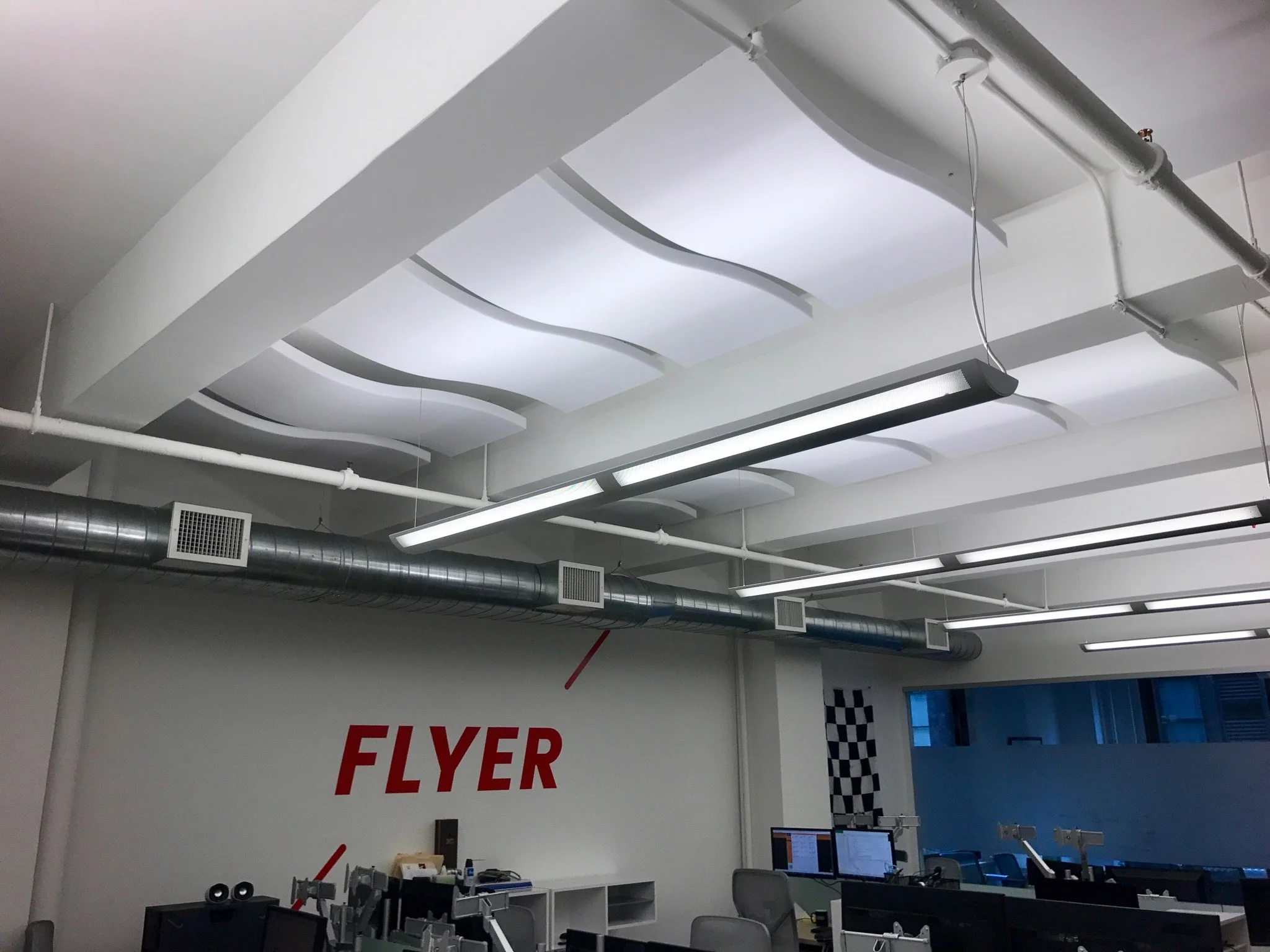
Large indoor spaces often bring impressive design and flexibility, but they can also come with a hidden problem: echo and reverberation. Whether it's a gym, community hall, conference room, or open-plan office, these sounds can make it hard to focus, speak clearly, or even enjoy simple conversations. Sound energy bouncing off hard surfaces like walls, ceilings, and floors creates a distorted and noisy environment. This discomfort can affect how people work, relax, or gather in these spaces.

In areas like Brooklyn and Manhattan, where a lot of buildings are converted or repurposed for mixed uses, managing sound becomes even more important. Cutting down on harsh reflections and unwanted lingering sound isn’t just about comfort. It’s about making a space more functional. From schools and studios to restaurants and event venues, keeping sound under control can change how a space is used and how people feel inside it.

Understanding The Causes Of Echo And Reverberation

Echo and reverberation come from the same problem: sound reflecting off surfaces that aren’t designed to absorb it. When a room has smooth, flat, and bare surfaces, sound waves have nothing to cling to, so they bounce back into the space. If there are enough of those reflections in a short amount of time, they layer over each other and create what many recognize as a harsh echo or a drawn-out ringing effect.

The bigger the room, the more space sound has to travel and bounce. Tall ceilings, wide floors, and minimal furniture all contribute to the issue. Even the materials used in a room play a big role. Hard surfaces like wood, glass, tile, and concrete reflect sound very easily. In some older buildings in Brooklyn, wide open lofts and warehouses have been turned into homes or offices without much thought around sound. The result? Tons of echo.

Reverberation can especially be a problem in:

- Gymnasiums and auditoriums with unchecked ceiling height

- Office conference rooms with mostly glass walls

- Restaurants and cafes with trendy, minimalist decor

- Home studios or theaters with no sound conditioning

In each of these spaces, sound build-up makes conversations difficult. It can cause stress in work settings, ruin acoustic performance in creative spaces, or just make everyday life noisier than it should be. Fixing the sound isn’t about making a room quiet. It’s about making the sounds in it clearer and easier to control. Once you understand what’s causing the problem, it becomes much easier to figure out how to solve it.

Effective Acoustical Treatments

Once you’re clear on what’s causing all the extra sound, the next step is picking the right fix. Acoustical treatments come in a few main types. These are materials or products made to control how sound moves through a space. While the exact mix depends on your room and your goals, most setups include sound-absorbing panels, diffusers, and sometimes bass traps.

Here’s a quick rundown of what each of these can do:

- Sound-absorbing panels: These are soft, padded panels that soak up sound and stop it from bouncing around. They usually go on walls or ceilings and can be shaped or arranged to match the look of the space. These work well in open offices, gyms, and even home theaters.

- Diffusers: Instead of absorbing sound, these are made to scatter it. They help spread sound waves more evenly so you don’t get hot spots or echoes that stick in one corner. They work well in studios and performance spaces where natural sound is key.

- Bass traps: These are made for low-frequency sounds that tend to hang in the corners of a room. Rooms with big speakers or deep voices often suffer from this type of reverberation. Bass traps installed in corners can help reduce that rumble.

In Brooklyn, where brick walls and open-plan lofts are common, many spaces benefit from a combo of these treatments. Here’s the thing to remember: bigger does not always mean better. Treatments should be placed with purpose. It's more about balance than just covering every inch. Adding just a few well-placed panels can make a huge difference, especially when paired with smart furniture layout and even simple things like thick rugs or fabric upholstery.

Benefits Of Professional Installation

There’s a big difference between fixing how sound bounces around and just putting up a few panels. Getting the right acoustical treatment setup isn’t as simple as it seems. Room shape, ceiling height, furniture, and even lighting can all affect where and how materials need to be installed for best results. That’s why bringing in pros who truly understand acoustics makes a huge impact.

One main benefit is precision. Professionals can walk through your space and map out exactly where to place treatments to cut down on echo without killing all the natural energy in the room. Whether it's a wide archway at the back of a restaurant or a glass wall along one side of an office, every element changes how sound behaves.

Other perks of professional installation:

- Customized planning based on your unique space, instead of using standardized packages

- Safe and clean installation, with care taken to protect existing walls or finishes

- Guidance on which types of panels or treatments complement your room’s use and style

- Fewer errors, which means no wasted time, effort, or materials

Professionals can also help balance the technical part with the visual side. They offer materials that don’t just work well but also look good. That’s important in places like art galleries, meeting spaces, or anywhere design matters just as much as performance.

Maintaining An Acoustically Treated Space

Once the work is done and the echo is under control, the job isn’t totally over. Maintenance helps make sure your treatments keep working as they should over time. Most panels and material types are built to last, but a little regular attention keeps them looking and functioning their best.

Here are a few tips:

- Dust wall-mounted panels and ceiling treatments every few weeks. Gentle vacuuming with a brush attachment usually works fine.

- Check for sagging or damaged pieces, especially if they’re glued or mounted overhead. Temperature changes or moisture can weaken adhesives.

- If something starts to feel different in sound quality, don’t ignore it. Some acoustic shifts are subtle but may show up when the room fills up or empties out.

In commercial settings with high foot traffic, checking each piece once a season often does the trick. In quieter homes or studios, once or twice a year might be fine. Either way, these small steps help keep your space steady and sound-friendly for the long haul.

Clear Sound Makes Better Spaces

Whether you’re renovating a gym in Brooklyn or converting an old loft into a recording space, good acoustics matter. Echo and reverberation can turn even the nicest place into a loud, uncomfortable mess. With the right strategy, that noise can be replaced with warmth, clarity, and balance.

Sound treatments do more than just quiet things down. They help conversations flow, make music sound better, and let people focus. At the end of the day, good acoustics help your space feel the way it’s meant to feel — calm when it should be, lively when it needs to be, and always comfortable to live or work in.

Feel ready to transform your space with the right acoustics? Discover how acoustical treatment can bring clarity and comfort to your environment. Brooklyn Insulation & Soundproofing is here to provide solutions that fit your unique needs, making sure your rooms sound just as great as they look. Explore our services and enjoy balanced sound in every corner.

Does Your Brooklyn Home Need Better Attic Insulation for Summer?

Summer in Brooklyn comes with long sunny days and hot, sticky nights. When the heat settles in, your home’s attic insulation plays a big part in whether you stay comfortable or end up constantly adjusting the AC. Many homeowners don’t think about their attic until something goes wrong. But that space right above your head could be silently working against you without the right insulation.

Good attic insulation acts like a barrier, keeping the cool air in and the hot, humid air out. When it’s doing its job, your home feels more balanced, the AC takes a break, and your energy bill doesn’t spike for no reason. If your attic insulation isn’t where it should be, though, you might notice it fast, especially during a Brooklyn summer.

Signs Your Attic Insulation Needs an Upgrade

When insulation wears down or just wasn’t installed properly from the start, the signs aren’t always obvious. But over time, they begin to show themselves in ways that are hard to miss. If you’re wondering whether your attic is up to par, look out for these common red flags:

- Uneven room temperatures: If walking from one room to another feels like stepping into a completely different climate, it could be due to poor insulation allowing hot air to sneak in or cool air to escape.

- High cooling bills: You’ve probably felt the sting of a high electric bill mid-summer. When your attic isn’t insulated well, your AC system works harder to try and keep up, using more power than it should.

- Musty or damp smells: Moisture buildup in the attic can happen when insulation isn’t preventing humid outside air from creeping in. That can lead to mildew smells making their way down into your living space.

- Old or missing insulation: If your home is a few decades old and the insulation hasn’t been checked or improved, chances are it’s not doing much anymore.

- Overheated upstairs or top floors: Heat rises, and in summer, it collects in the attic. If there’s not enough insulation keeping it out, your top floors will feel warmer than the rest of the house, and that’s hard to ignore.

Think about someone coming home after a long day, walking upstairs, and feeling like they’ve stepped into a sauna. That’s never ideal. Insulation problems like this can sneak up gradually, but the discomfort builds fast, especially once June hits and the heat keeps climbing. Recognizing these warning signs early can help avoid bigger issues later on.

Benefits Of Upgrading Attic Insulation

Once you upgrade your attic insulation, you’ll likely notice the difference right away. It’s not just about temperature control, it’s about the overall comfort and function of your home. Here’s what better insulation can bring to the table:

1. Improved indoor comfort

Rooms stay more consistent in temperature, especially during long stretches of warm weather. You won’t have to crank the AC just to cool down specific areas.

2. Reduced energy use

With good insulation, your AC doesn't have to run around the clock. That means less energy demand and a cooling system that isn’t constantly overworked during peak hours.

3. Quieter living spaces

Insulation also helps muffle outside noise. So while your main concern in summer might be the heat, you'll also appreciate less street or traffic noise filtering in through the roof.

4. Better moisture control

Quality insulation helps control condensation and prevents hot, humid air from mixing into cooler spaces. That makes your home less likely to have moisture or mold issues that begin in the attic and travel down.

Insulation might not be the most exciting home improvement project, but it has a daily impact on how your space feels. A well-insulated attic acts like a shield, blocking the summer heat before it even becomes your problem. And in places like Brooklyn, where older homes often come with outdated insulation, that upgrade makes a big difference during the summer stretch.

Recommended Insulation Materials For Brooklyn Homes

When it comes to attic insulation in Brooklyn, the material you choose really matters. The right type will depend on your home's layout, how you use your attic, and how serious the summer heat can get. While there are many options out there, a few come up often for local homes because they offer strong performance, especially during a hot season.

Here’s a breakdown of the top choices used in Brooklyn homes:

Spray foam insulation:

- Fills in gaps and seals air leaks really well

- Great for making attics air-tight, which helps during humid summers

- Costs more than other options, but it delivers long-term comfort and moisture control

Fiberglass batts or rolls:

- One of the most common types found in older homes

- Easy to install in open attic floors, especially between joists

- Usually on the lower end as far as cost, but may not block air movement unless backed up by proper sealing

Cellulose insulation:

- Made from recycled materials, which appeals to homeowners looking to stay eco-friendly

- Blown-in option is great for filling irregular attic spaces

- Handles heat well but can settle over time, which might reduce performance unless inspected and topped up regularly

Each of these materials has its strengths, but how they’re installed can play a big role in how well they actually perform. Brooklyn homes vary a lot. Some are brownstones with tight rooflines, others are detached houses with spacious attics. It’s important to match the material with both the space and your comfort goals. Picking the cheapest option might save a few bucks upfront, but investing in the right insulation can pay off every summer for years to come.

Why Professional Installation Matters

Even the highest quality insulation won’t help much if it’s installed the wrong way. Spaces get missed. Corners left open let air flow sneak through. Or worse, the material isn’t sealed properly and ends up collecting moisture from summer humidity. That’s why professional installation makes such a difference.

A trained insulation technician doesn’t just roll material into place. They assess the whole attic. They’ll check airflow, evaluate current insulation levels, and make sure whatever material is used fits your home’s specific setup. That includes sealing leaks, locating thermal bridges, and ensuring ventilation is balanced to prevent trapped heat or future moisture problems.

Here’s how professional work makes better insulation last longer:

- Avoids gaps and cold spots by customizing how the material is placed

- Balances insulation with airflow, helping your attic stay dry and temperature-stable

- Uses the best tools and methods for the specific type of insulation

- Helps you avoid issues like mold growth or short-circuiting the AC system

One common mistake people make is insulating over existing materials without knowing if the base layer has issues like moisture damage or pest activity. Skipping an inspection or relying on guesswork often leads to more problems later. A professional approach avoids that and gives peace of mind that the attic will really help with summer heat, not fight against your AC’s efforts.

Make Summer in Brooklyn Less Stuffy

As summer moves into full swing, attic insulation isn’t just a project for your future to-do list. It’s something that brings comfort now, saves money over time, and helps the whole house work smarter. From spotting signs like uneven room temps or rising energy bills to choosing the right material for the layout of your space, taking a second look at your attic could really pay off.

Poor insulation can drag down your AC, leave upstairs bedrooms overheated, and drive monthly bills higher than they need to be. Whether your home has old fiberglass batts that need replacing or hasn’t been checked in years, a good inspection can uncover areas that are working against you. Upgrades don’t need to involve a full attic makeover, but targeted improvements done right can fix the largest problems without wasting time or money.

Brooklyn’s heat doesn’t pull any punches. So whether you’re in a rowhouse deep in Park Slope or a freestanding place near Bay Ridge, finding out if your attic is ready for summer can make a huge difference in how your home feels and how much you can enjoy it.

To keep your home comfortable and energy-efficient throughout the summer, consider upgrading your attic insulation in Brooklyn. Brooklyn Insulation & Soundproofing is here to help you create a more balanced indoor environment with expert guidance and professional installation that lasts.

5 Common Noise Issues in Multi-Unit Buildings and Their Solutions

Living in a multi-unit building has its perks—shared amenities, convenient locations, and a sense of community. But if you’ve ever laid in bed and heard your neighbor’s phone call through the wall or the echo of footsteps from the unit above, you know that noise can be a real problem. Whether it's a new apartment or one you've been in for years, noise travels farther than people expect in close quarters and it can mess with everything from sleep to work to peace of mind.

These day-to-day noise distractions aren’t things you just have to live with. A lot of the common issues can be tackled with thoughtful sound control methods. Sound insulation specialists focus on pinpointing exactly where and how sound travels in buildings like these, then applying targeted fixes. From rethinking the way walls are built to minimizing echo from pipes, there are ways to make city living a little quieter and a whole lot more comfortable.

Noise From Neighboring Units

In most multi-unit buildings, walls and ceilings are often the main pathways for sound. Even when the structure is up to code, you can still hear things like:

- Voices from phone calls or late-night conversations

- TVs playing across the hall, especially bass-heavy effects

- Music from speakers or instruments

- Kitchen sounds like clinking dishes and running appliances

Paper-thin walls or gaps in construction might seem like the cause, but a lot of the time, it’s not that simple. Sound travels through solid surfaces too, making it easy for noise to carry even when things appear sealed. That’s where enhanced soundproofing techniques come into play. One way to make a real difference is by adding density to shared walls using materials like mineral wool insulation or soundproof drywall. These options slow sound vibrations before they pass through.

Another effective solution is decoupling. This means creating a break between two surfaces so sound can’t move across them as easily. Think of it like putting a shock absorber between two parts of a machine. For walls, this might involve using special clips or mounting systems that separate drywall from the studs behind it. When done right, decoupling reduces how much vibration passes from one unit to the next.

A real-world example: A set of mid-floor apartments in a Brooklyn complex faced frequent complaints about sound between units. Even quiet speakers could be heard next door. With the help of sound insulation specialists, the walls were restructured with high-mass insulation, and panels were added to reduce echo. After the upgrades, tenants noticed immediate relief—less sound bleeding through, better sleep, and fewer noise complaints overall.

Footfall And Impact Noise Between Floors

Even if the units next to you are quiet, the ones above or below can still make life noisy. Impact noise, like footsteps or dragging furniture, is one of the most stubborn problems in multi-level buildings. These sounds move through floors fast and can be tough to pin down.

Here’s where things usually go wrong and what can be done to fix them:

1. Hardwood or tile floors: These look great but can make small noises sound much louder. Adding underlayment, which is a thin layer of sound-absorbing material under the floor, reduces how much of that noise transfers down.

2. Poor floor construction: Gaps in subflooring or poorly insulated joists make noises vibrate easily. Filling these spaces with insulation materials, like dense batts or acoustic mats, softens the blow from impact sounds.

3. No acoustic treatment underneath: Units below often get forgotten. But ceiling treatments like resilient channels, double-layer drywall, or even acoustic ceiling panels can offer relief by catching the noise before it spreads.

Impact noise doesn’t have to be part of daily life. Fixing it often involves working with both the floor above and the ceiling below. That coordination matters, especially in buildings where long-term comfort is the goal. When done right, it makes a huge difference even during high-traffic hours.

Plumbing And HVAC Noises Between Units

Another frustrating source of unwanted noise in multi-unit buildings comes from inside the walls—plumbing and HVAC systems. Water running through pipes, toilets flushing, and heating or cooling units switching on can all create random and disruptive sounds. While some of it is normal building noise, it shouldn’t feel like your neighbor’s shower is running through your living room.

These noises tend to echo more in older buildings with thin walls or exposed mechanical systems. They're often worse at night or early in the morning when everything else is quiet. The good news is there are real ways to reduce them:

- Wrap plumbing lines in sound-insulating sleeves to stop vibrations from carrying through walls or floors

- Use acoustic drywall and insulation around mechanical closets and utility rooms to trap and muffle annoying hums or clicks

- Isolate HVAC units with vibration pads or mounts to stop large machines from sending rumbles through the structure

These steps help keep mechanical noise controlled and less disruptive. A Brooklyn resident living on the top floor of a pre-war walkup had constant issues with water hammer from the pipes in the floor below. After professional soundproofing work focused on isolating and insulating the pipe runs, the apartment got noticeably quieter and sleep wasn’t interrupted by sharp water line sounds anymore.

Exterior Noise Intrusion From Streets And Traffic

City life brings motion and energy. But traffic, loud pedestrians, construction, and sirens don’t stop just because you go inside. A multi-unit building in a busy part of Brooklyn will almost always have some level of outside noise filtering in, especially on lower floors or units that face the street.

To cut down on this, focus on the most common openings where sound sneaks in:

1. Windows – Replace single-pane windows with double-pane designs that are better at blocking sound. Low-frequency sounds, like trucks or car engines, disappear more easily with the added glass layer.

2. Doors – Install weatherstripping or door sweeps to seal the gap at the bottom where air and noise pass freely.

3. Walls – Add acoustic panels or wall hangings to absorb vibrations, especially if the wall faces a high-traffic area.

4. Curtains – Thick, heavy curtains, especially blackout ones with layered fabric, can make a real difference when drawn at night or during busy hours.

All these efforts work together to reduce how much street noise makes its way inside. If your bedroom faces a busy avenue, adjusting the window setup and adding layered curtains can turn a chaotic soundscape into a quiet retreat.

Common Area Sounds Like Elevators And Hallways

Last on the list but definitely not the least frustrating are the sounds that come from shared spaces. Elevators dinging at all hours, loud conversations in the hallway, or doors slamming don’t seem like a big deal until they happen daily. The noise tends to creep in through cracks, vents, and materials that weren’t designed to block sound in the first place.

Addressing this issue often means working with the building’s structure instead of against it:

- Seal around doorframes and edges with acoustic caulking to keep hallway sounds out

- Install door sweeps to block gaps under entry doors

- Add acoustic panels or wall insulation between the unit and shared areas like stairwells or utility rooms

Some apartment entrances are located right next to elevator banks or trash rooms. Without proper noise barriers, everything from footsteps to conversations carries into the unit. A tenant in central Brooklyn had enough of hearing the elevator through their bedroom wall and had the wall reinforced with acoustic insulation and an extra drywall layer. The difference was clear right away—less rattling and a noticeable drop in ambient noise.

How To Make Multi-Unit Living Quiet And Comfortable

Living in a shared building doesn’t have to mean giving up peace and quiet. Whether you’re dealing with noise between units, above your ceiling, below your floor, or coming straight through your windows, there are targeted ways to fix each kind of problem. The solutions work best when guided by people who understand how sound moves inside walls, floors, and shared spaces.

Brooklyn buildings, especially older ones, often have structure-related noise problems that can't be solved with store-bought fixes. Installing the right materials in the right spots can truly change the feel of a space. Every improvement helps limit unwanted sound and makes home feel more like a place you actually want to be. If a noisy neighbor or constant foot traffic has been wearing on your nerves, don’t write it off as something you need to live with.

The best path forward is simple: find the specific source of your noise frustration and treat it with the right strategy. Quiet isn’t just a luxury. It makes daily life better, helps you focus when you're working from home, and lets your brain rest when the day’s over. Small changes can create big results, especially when sound insulation is done right.

If you're dealing with unwanted noise in your multi-unit building, now is a good time to connect with experienced sound insulation specialists at Brooklyn Insulation & Soundproofing. We understand how sound travels through shared walls, floors, and ceilings, and we’re here to help you create a quieter, more comfortable place to call home.

How to Handle Noisy Neighbors: Soundproofing Tips for NYC Apartments

Life in NYC apartments can be filled with the vibrant sounds of the city. But when those sounds come from your neighbors, it quickly becomes a hassle. Whether it's late-night music or footsteps echoing from above, noisy neighbors disrupt the peace of your home. Soundproofing your apartment can offer a great solution. It's all about transforming that noisy chaos into a calm, quiet space where you can truly unwind.

Soundproofing isn't just about getting peace of mind—it’s about enhancing your everyday living experience. By reducing unwanted noise, you not only improve the comfort of your home but also contribute to better sleep and a more relaxed environment for work or study. Let’s explore some practical soundproofing tips that can help you reclaim your space from the noise outside your walls.

Understanding Noise Pollution in NYC Apartments

NYC apartments face a variety of noise challenges. Common sources include traffic, bustling street activity, and loud neighbors. In older buildings, thin walls and ceilings make it easier for sounds to travel. This constant noise pollution affects sleep, concentration, and overall well-being.

Living in the city means accepting a certain level of noise, but it doesn't mean you have to put up with everything. Here are a few factors that contribute to noise in your apartment:

- Traffic sounds: High-energy vehicles, sirens, and honking horns contribute to the street noise we often hear.

- Building activity: From elevators and plumbing to heating systems, the inner workings of a building can be unexpectedly loud.

- Neighbor interactions: Conversations, foot traffic, and home entertainment systems all play a part in the noise levels from neighbors above, below, and beside you.

Understanding these sources helps in planning effective soundproofing strategies. Once you're aware of where the noise comes from, you're better prepared to tackle it with the right approach.

Effective Soundproofing Techniques for Your Apartment

Creating a peaceful haven starts with the smart use of soundproofing methods. Here are several strategies that can make a real difference in reducing noise.

1. Soundproof curtains and carpets: Thick drapes block exterior sounds and reduce echoes within your apartment. Similarly, rugs and carpets can dampen noise and add a cozy feel.

2. Sealing gaps and cracks: Check for gaps around windows and doors. Use weatherstripping and door sweeps to close these spaces, preventing noise from sneaking in.

3. Wall insulation and soundproof panels: Add insulation to your walls to lessen noise transfer. Installing soundproof panels can further absorb and reduce sound within shared walls.

Choosing the right methods depends on your specific noise issues and living situation. By applying these simple yet effective techniques, you can significantly reduce unwanted noise and enjoy a more serene living environment.

Choosing the Right Materials for Soundproofing

Not all soundproofing materials are the same. The right choice depends on the layout of your apartment, the building’s construction, and the type of noise you're dealing with. Some materials are better for blocking sound, while others work by absorbing it. Knowing what works best where can make a big difference when you're trying to create a quieter home in NYC.

Cellulose insulation is a smart option for reducing sound transfer between walls and ceilings. Made from recycled paper, it's an eco-conscious material that handles low-frequency sounds pretty well. It also fits tightly in wall cavities, which helps stop airborne noises like voices or TV sounds from one apartment bleeding into another. That tight coverage makes it a reliable choice in older buildings where walls are already thin.

Besides insulation, acoustic panels are helpful for shared walls and rooms prone to echo. These materials soak up sound rather than block it, making them great for apartments with exposed brick or hardwood floors. When placed correctly, they help cut down on the bounce-back of noise within the space too.

Mass-loaded vinyl is another popular barrier used during apartment renovation projects. While not something you’d typically install yourself, it’s commonly added during construction to keep sound from traveling through drywall. These layers make a big impact in co-op or condo buildings where keeping noise contained matters to both you and your neighbors.

Whether you're working with a small space or revamping an entire room, using proven acoustic materials pays off. Focus on combining different solutions like cellulose insulation and wall treatments to shrink the noise and improve your comfort.

Why Professional Soundproofing Makes a Difference

Figuring out the right fix for unwanted noise can quickly get overwhelming, especially if you live in a dense area like Brooklyn, Manhattan, or Queens. Every apartment is different, and sound moves through buildings in complicated ways. Hiring a professional team that understands how construction affects sound movement gives you a much better shot at quieting your space.

Professionals know how to inspect the entire apartment and identify hidden sound paths like pipe chases, ceiling flanking, or air vents that let voices and sound creep in. They use tools and products that most people don’t have easy access to, and they can work faster and more effectively than if you tried layering materials or sealing spots yourself.

Working with specialists also means your soundproofing plan works for the long haul. For example, a friend in a Queens co-op tried sticking foam panels to his bedroom wall only to realize the real problem was his ceiling. A professional pointed it out right away and fixed it by installing dense insulation and adding an isolated ceiling layer.

The peace that comes with stopping daily noise struggles is worth it. Whether you live with kids, work from home, or just value your alone time, soundproofing your apartment can make your place feel like home again.

Quiet Starts with the Right Steps

Living in NYC means getting used to some noise—but loud neighbors shouldn’t be something you just have to accept. Taking action to properly soundproof your apartment gives you more control over your daily environment. Whether it's footsteps from the floor above or bass-heavy music next door, there are ways to make those sounds fade into the background.

Start by figuring out where most of the noise is coming from and what kind of sounds you’re dealing with. Then choose materials and techniques that match those needs, whether it’s adding insulation to your walls or sealing off doorways. And for long-term results, consider bringing in pros who know what works best in NYC buildings.

No one should have to put up with distractions at home—especially not ones that can be solved with a careful, strategic approach. Soundproofing might seem like a big step but staying comfortable in your own apartment is worth every bit of effort.

For expert help tackling everything from thin walls to high-traffic street noise, explore how soundproofing in NYC can improve your apartment with customized solutions from Brooklyn Insulation & Soundproofing.

Cellulose Insulation and Benefits in Older Home Renovations

Cellulose Insulation in Older Wood and Brick Structures 

When thinking about insulating an older brick and/or wood home you should think about how and why the structure remained in great shape over all those years. A lot of times it was because the old structure was allowed to breathe freely and wick away moisture. Being able to wick moisture away helped keep the brick and wood from sitting in a wet condition and keep it from drying out and crumbling apart. If you were to spray foam or completely waterproof this structure it will stay completely water and air tight but you might want to consider the downside of this. Over the years the structure was allowed to breathe and naturally wick away moisture but this was not a solid air tight structure so it still became cold in the winter and hot in the summer. If you were to use a natural product like cellulose air can still pass through and will be able to breathe and wick away moisture couple this with a smart air barrier like Intello you can still maintain a solid insulating structure and still allow the home to breathe.